



Build a One-Glance Daily Dashboard
Combine your chosen metrics in a single place you actually open. Include yesterday versus today comparisons, small sparkline trends, and a tiny note field for surprises. One glance should answer whether the current condition seems better, worse, or essentially unchanged.

Automate Capture Where It Helps
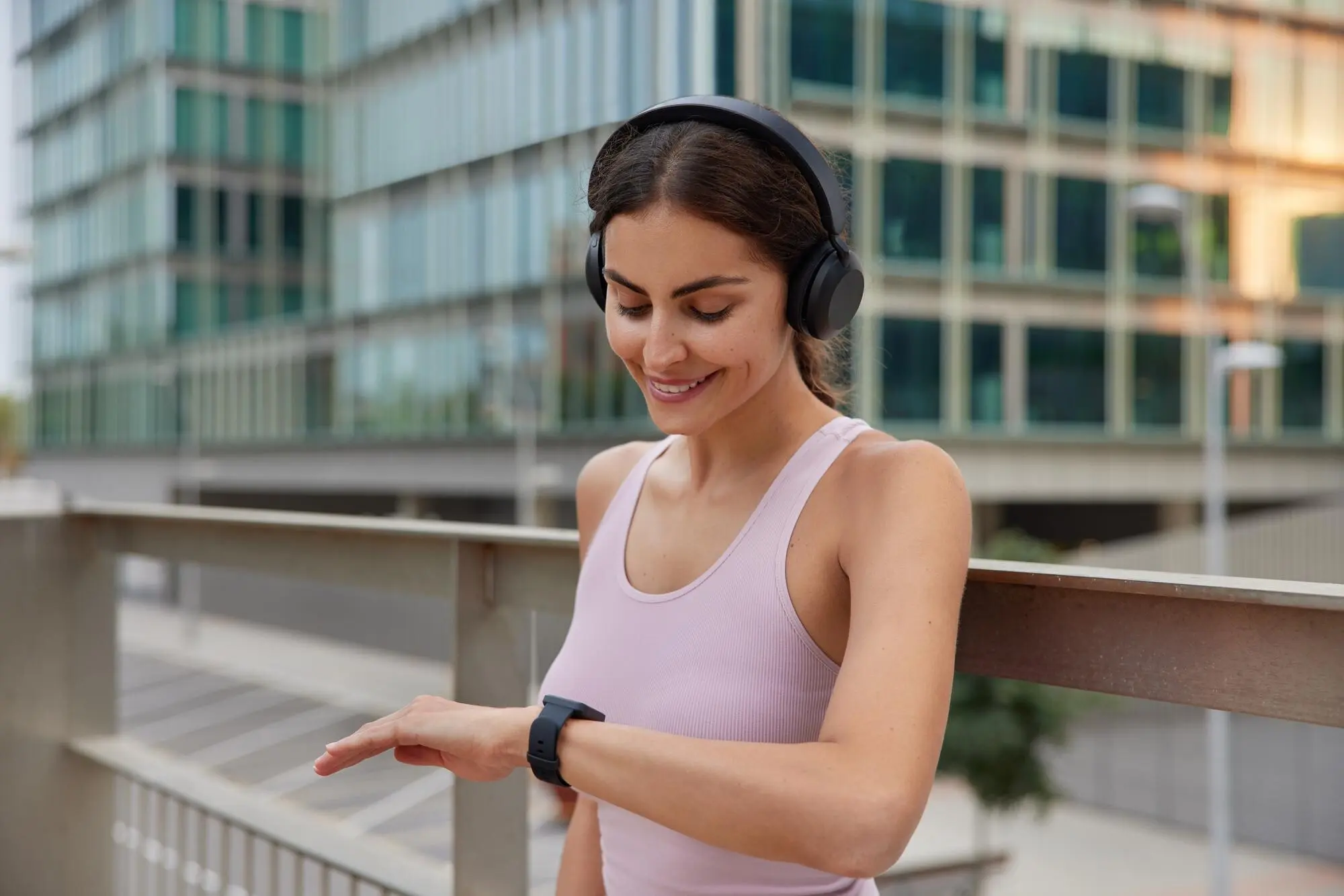
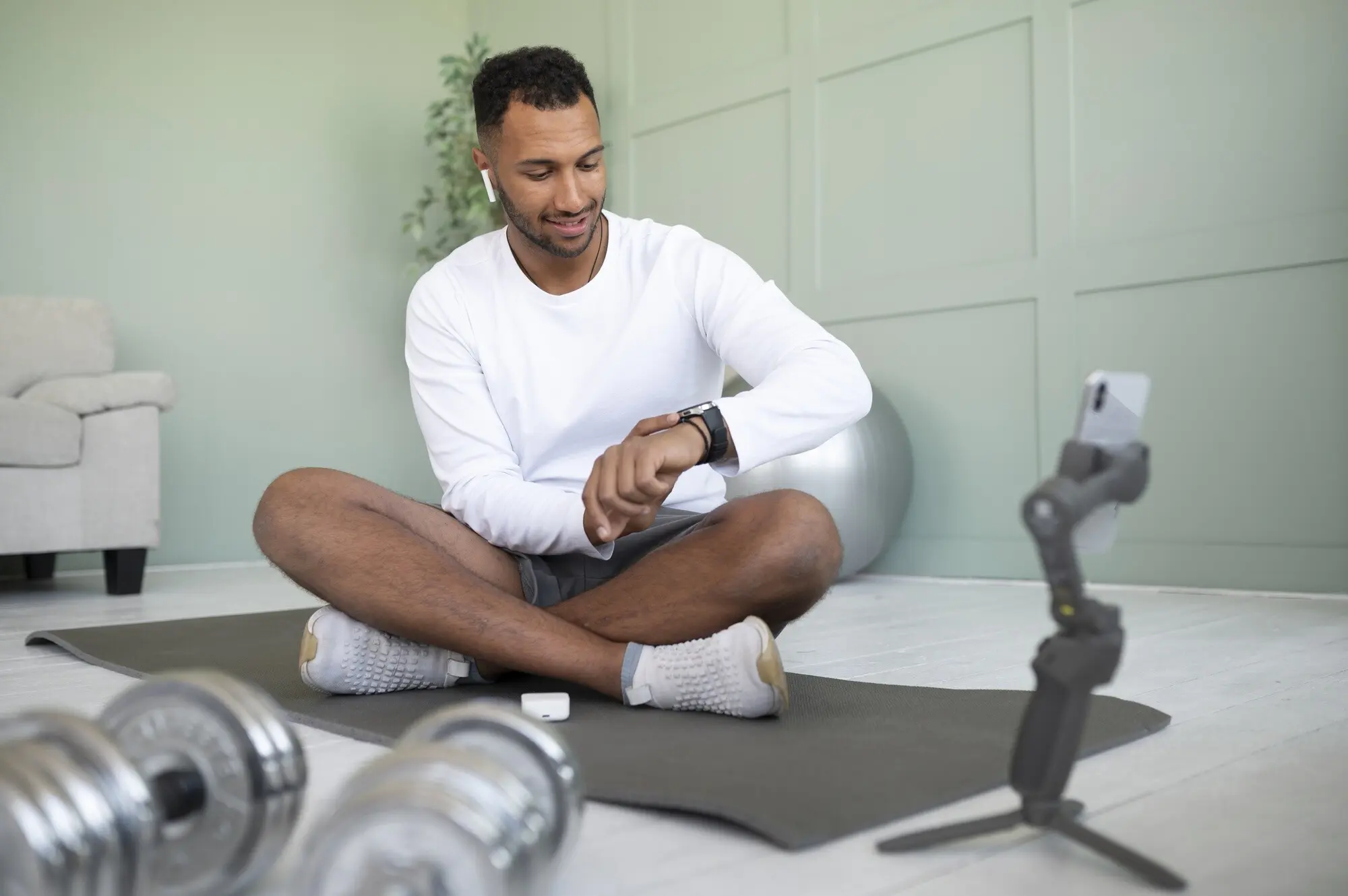
Automate what is easy to automate, like step counts, sleep duration, and app usage. Use shortcuts to log focus minutes when starting and ending a deep session. The less you type, the more truthfully and consistently your data reflects ordinary days.

Respect Privacy and Data Boundaries
Store only what you need, keep raw files under your control, and avoid unnecessary integrations. An ethical approach builds trust with yourself and future collaborators. Sensitive notes deserve encryption, thoughtful retention policies, and the right to be forgotten when experiments conclude.